
Francis Fukuyama on why we’re better than our ancestors
In 1675, Madame de Sévigné wrote a letter to her daughter about a musician “broken on the wheel.” This meant being strapped to an X-shaped cross, where an executioner would systematically break the victim’s bones, leaving him to die slowly from blood loss or dehydration. And then, within a few lines, she’s talking about her neighbor Madame de Tarente enjoying the woods in enchanting weather. In…
Read original article on Big Think →Related news
-
 It's Time to Fully Embrace the Rollneck Sweater This Fall
United States
It's Time to Fully Embrace the Rollneck Sweater This Fall
United States
-
 The New Rules of Good, Deep Sleep Will Help You Feel More Rested and Energetic
United States
The New Rules of Good, Deep Sleep Will Help You Feel More Rested and Energetic
United States
-
 I Was Burned Out on Chasing PRs. Then I Ran a No-Frills Race on a Highway.
United States
I Was Burned Out on Chasing PRs. Then I Ran a No-Frills Race on a Highway.
United States
-
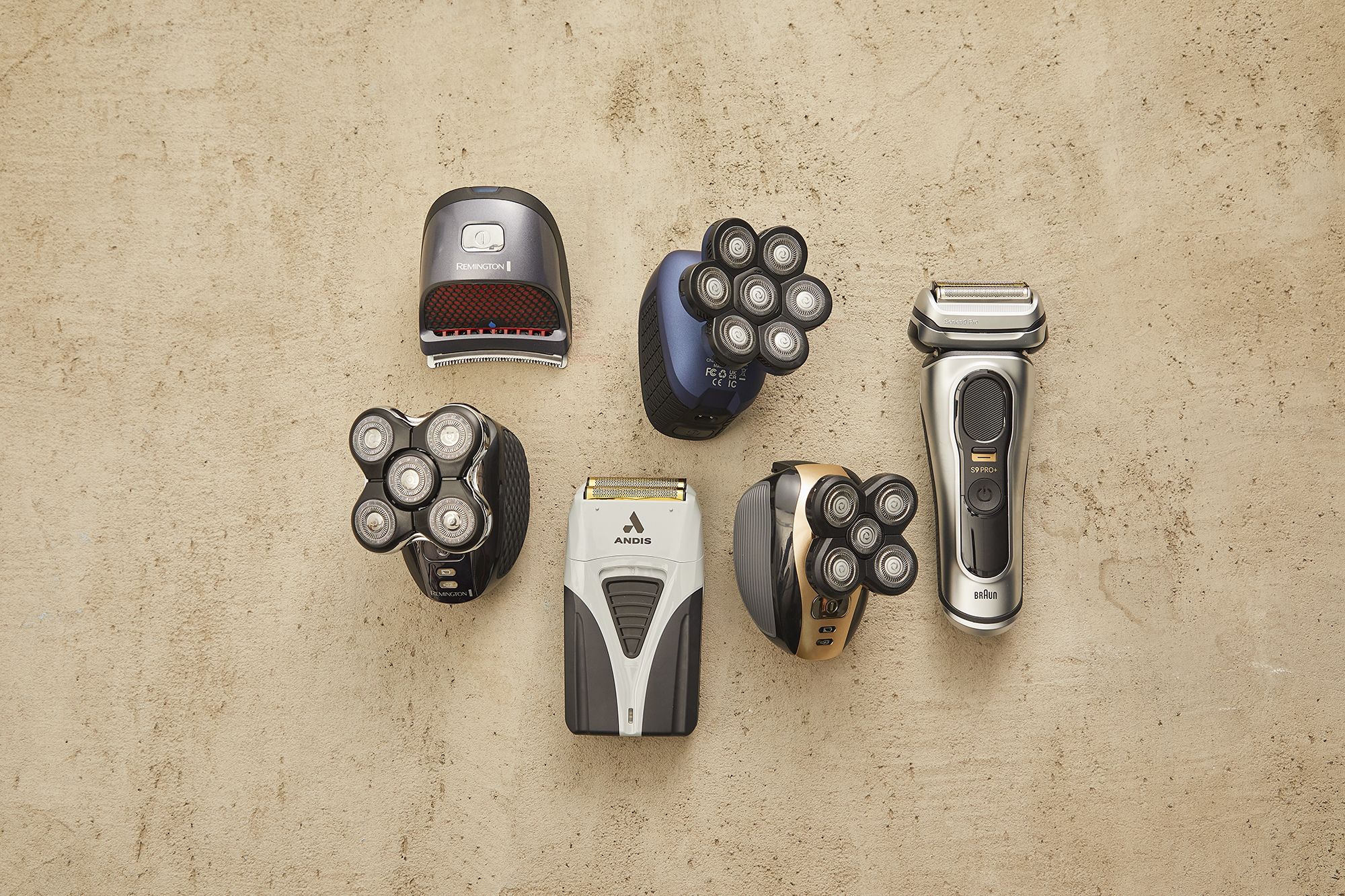 The 6 Best Head Shavers for Men in 2026, Tested by Grooming Experts
United States
The 6 Best Head Shavers for Men in 2026, Tested by Grooming Experts
United States
-
 The Top 20 Korean Skincare Products I Actually Reach For
United States
The Top 20 Korean Skincare Products I Actually Reach For
United States
-
 IRestore Laser Face Mask Pro Review: Our Verdict After Two Months of Testing
United States
IRestore Laser Face Mask Pro Review: Our Verdict After Two Months of Testing
United States
-
 30+ Best Fitness Gifts of 2026, According to Women's Health Editors
United States
30+ Best Fitness Gifts of 2026, According to Women's Health Editors
United States
-
 The 9 Best Sweaters for Men, Tested by Style Editors
United States
The 9 Best Sweaters for Men, Tested by Style Editors
United States