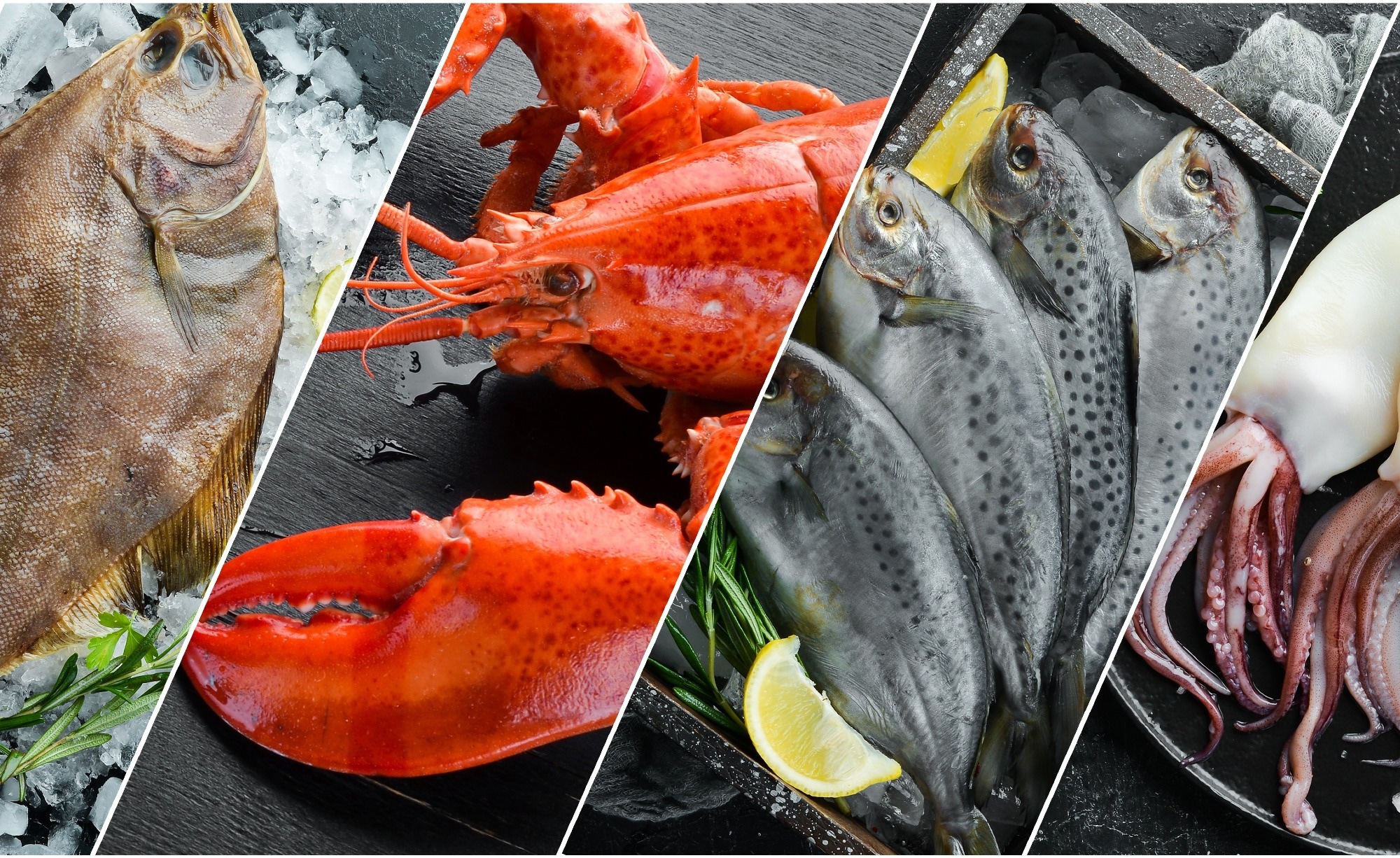
A study of 2,329 children and teens challenges how we measure mercury exposure
A nationally representative study of 2,329 Korean children and adolescents found that doubling animal seafood intake was associated with 13.2% higher urinary mercury concentrations. While urine and blood samples captured similar dietary mercury exposure patterns among adolescents, urine testing could not reliably replace blood testing for individual assessments.
Read original article on The Medical News →Related news
-
 What your love of spicy food might reveal about your personality
United Kingdom
-
 First evidence from a Chinese population supports review of long-term blood monitoring for local clozapine use
United Kingdom
-
 Implanted electrodes restore function after severe muscle loss in early tests
United Kingdom
-
 Chronic loneliness increases dementia risk by 38%, but occasional loneliness appears harmless, 30-year study finds
United Kingdom
-
 From plastic toys to shampoo: Could everyday chemicals influence children's liver health?
United Kingdom
-
 Alzheimer's disease protein atlas reveals hidden cell-type biology
United Kingdom
-
 Alcohol, drug abuse, suicide: Is Europe really safe from America's 'deaths of despair' epidemic?
United Kingdom
-
 Forgetful neural networks could shed light on how humans learn
United Kingdom