
This tiny jurassic predator helped pave the way for the human brain
A 165-million-year-old fossil has revealed an extraordinary Jurassic predator that may help explain how mammals developed one of their most important evolutionary advantages. Although only 20 inches long, Megacauda sungei was a heavyweight among early mammal relatives, swimming through ancient waterways and hunting prey with specialized teeth. Its advanced swallowing anatomy reveals an early step…
Read original article on Mind & Brain News -- ScienceDaily →Related news
-
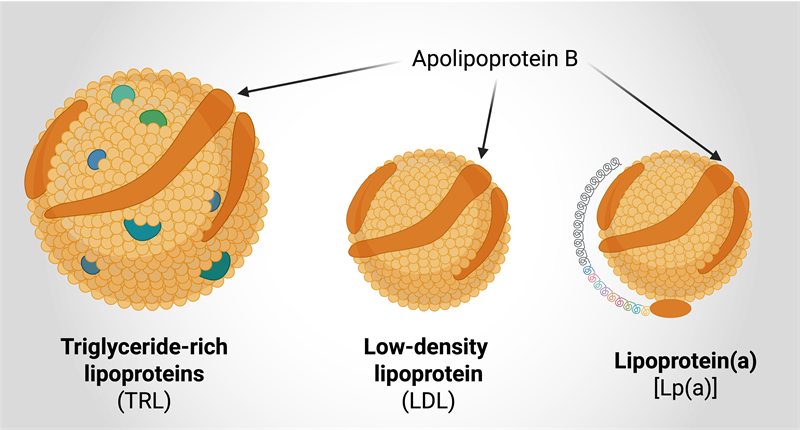 Beyond ‘bad’ cholesterol: new clues to the risk of heart disease
United Kingdom
Beyond ‘bad’ cholesterol: new clues to the risk of heart disease
United Kingdom
-
 A new approach to kidney matching could save lives
United Kingdom
A new approach to kidney matching could save lives
United Kingdom
-
 Older adults may play an overlooked role in spreading tuberculosis
United Kingdom
Older adults may play an overlooked role in spreading tuberculosis
United Kingdom
-
 Bedfont® Scientific Ltd. acquires US-based company coVitaTM , marking the next chapter in its global growth
United Kingdom
Bedfont® Scientific Ltd. acquires US-based company coVitaTM , marking the next chapter in its global growth
United Kingdom
-
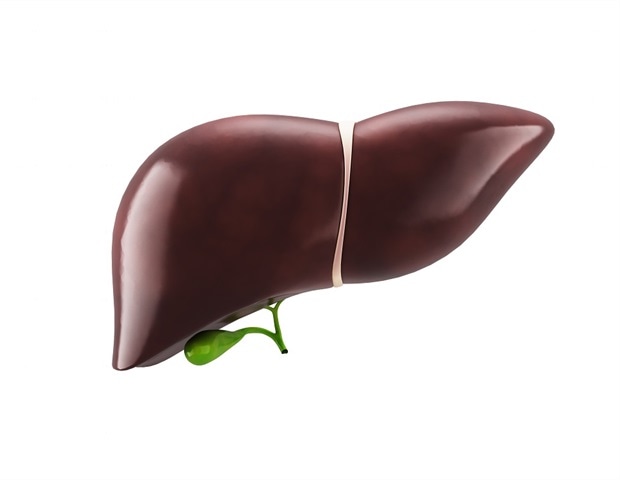 Undecimal Bio launches with $18 million oversubscribed seed financing to address ‘liver trap’ in siRNA therapeutic delivery
United Kingdom
Undecimal Bio launches with $18 million oversubscribed seed financing to address ‘liver trap’ in siRNA therapeutic delivery
United Kingdom
-
 Even highly curable childhood cancers can take a substantial toll on families
United Kingdom
Even highly curable childhood cancers can take a substantial toll on families
United Kingdom
-
 How a diet free from animal proteins challenges the liver
United Kingdom
How a diet free from animal proteins challenges the liver
United Kingdom
-
 Long-term viral hepatitis control and changing patterns of liver cancer mortality in Japan
United Kingdom
Long-term viral hepatitis control and changing patterns of liver cancer mortality in Japan
United Kingdom